Master Cannabis Industry Bookkeeping with the Accounting Workbook For Dummies

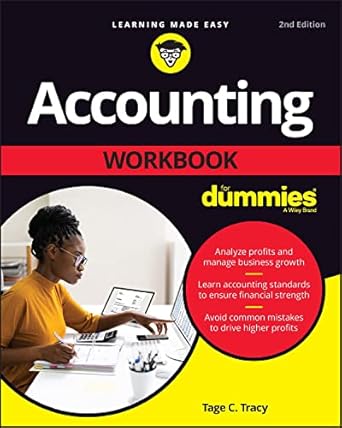
Accounting Workbook For Dummies (For Dummies (Business & Personal Finance))

Level Up Your Cannabiz: Accounting Skills Made Easy
Whether you’re growing your dispensary dreams or managing a 420-friendly art collective, tracking your greens is just as important as appreciating them. Enter the Accounting Workbook For Dummies 🌿—the ultimate guide to simplifying your books, untangling invoices, and keeping your cannabis business on the right path.
Why Choose This Workbook? 🌱🔥
- Beginner-Friendly & Comprehensive: Designed for entrepreneurs, creatives, and anyone who finds debits and credits a little daunting, this workbook breaks down even complex topics into fun, bite-sized exercises.
- Practical, Hands-On Learning: With hundreds of practice problems and real-world scenarios—think dispensary sales or managing inventory for your glassware shop—you’ll go from confused to confident.
- Current & Relevant: Updated with the latest business finance tips, so you stay organized in a fast-changing cannabis landscape.
Your Cannabis Lifestyle Companion
In the cannabis niche, creativity and authenticity are key. But let’s be real—keeping track of expenses, payroll, and sales can be the difference between a thriving venture and a hazy memory. This workbook is your go-to for:
- 420 Art Collectives: Manage event budgets, supply costs, and artist payments with ease 🧠.
- Dispensary Owners & Budtenders: Tighten your inventory, sales tracking, and HR records for total compliance.
- Home-Based Cannabis Crafters: From edibles to rolling kits, understand your profit margins and grow responsibly.
- Wellness Professionals: Optimize yoga retreats, classes, or guided meditations with mindful money management.
Key Features That Make a Difference
- Step-by-Step Explanations: No jargon, all clarity—perfect for nights of self-discovery or chill hangouts with like-minded friends.
- Customizable Worksheets: Tear-out or copy templates for your own projects.
- Practical Checklists: Ensure nothing gets lost in the clouds, from taxes to cash flow analysis.
- Expert-Backed: Written by trusted pros with decades of financial expertise, all in the easygoing “For Dummies” style.
How It Fits the Cannabis Community
Accounting can feel overwhelming, especially in a rapidly evolving culture where passion often beats paperwork. This workbook bridges that gap. It empowers you to support your unique cannabis offerings while protecting your profits and peace of mind. The interactive exercises embrace the hands-on, collaborative spirit found in every circle—from friendly hangouts to major cannabis events.
Did You Know?
- Origin: This workbook is part of the world-renowned Dummies series, trusted by millions to demystify complicated topics.
- Versatile Materials: Designed to be written in, dog-eared, and kept close—think of it as your accounting sesh partner.
- Beyond Business: Even for personal finance—tracking savings for your next 420 retreat, anyone?—its lessons help you make the most of every green dollar.
Ready to Elevate Your Accounting Game? 💸🌿
Let your passion and business sense grow together. The Accounting Workbook For Dummies is more than a book—it’s your conscious companion for a sustainable, thriving cannabis lifestyle. Take the next step towards financial independence and creative freedom—click here to grab your copy and master your money, one worksheet at a time! 🌱🔥🧠

Uncategorized
Unlocking the Future of Personal Finance: How AI Budgeting Tools Can Revolutionize Your Money Management


Navigating the complexities of personal finance can often feel like a daunting task. But what if the future of budgeting and money management was just a click away? With the rise of AI budgeting tools, this is quickly becoming a reality. In this in-depth guide, we will explore how these innovative tools are transforming the way we manage our finances, making financial wellness more accessible and achievable than ever before.💡📱💳
The Rise of AI in Personal Finance
Artificial Intelligence (AI) is no longer just a buzzword — it’s a powerhouse driving change across industries. In personal finance, AI is making significant strides by offering smart, tailored, and real-time financial advice. But how exactly do these tools work, and can they truly revolutionize your budgeting efforts?
Understanding AI Budgeting Tools
AI budgeting tools leverage machine learning algorithms to analyze spending patterns, provide insights, and suggest personalized strategies for financial improvement. These tools aim to simplify the budgeting process, making it less about manual tracking and more about strategic planning.
✅ Automate expense tracking for accuracy.
✅ Offer spending breakdowns to understand financial habits.
✅ Predict future spending to help with better planning.
Benefits of Using AI Budgeting Tools
Harnessing the power of AI in your financial routine can offer numerous benefits. Here’s why you should consider making the switch:
– **Time Efficiency**: AI automates routine tasks, saving time and reducing human error.
– **Personalization**: The tools adapt to your financial behavior, creating a customized experience.
– **Accessibility**: User-friendly interfaces make financial management accessible to all, regardless of financial literacy level.
Implementing AI in Your Financial Strategy
Integrating AI tools into your daily financial management may seem daunting at first. However, starting small and gradually increasing their usage can make the transition smoother.
✅ Start with basic tools that track spending and set budgets.
✅ Explore expense prediction features as you grow more comfortable.
✅ Gradually integrate more advanced features, such as investment suggestions or emergency fund calculations.
Case Studies: Success Stories with AI Money Management
Delve into real-life stories of individuals who have successfully integrated AI tools into their financial journeys, reducing debt and increasing savings.
– **Mark’s Journey**: From frequent overspending to achieving a 20% reduction in monthly expenses using AI insights.💸
– **Lydia’s Success**: How predictive spending forecasts helped Lydia save for her dream home in record time.🏡
Conclusion: Embrace the Future of Finance Management
Adopting AI budgeting tools can significantly enhance your financial strategy by providing precise, data-driven insights. As technology evolves, these tools will continue to develop, offering even more advanced capabilities. Take the leap, incorporate AI into your financial habits today, and start building a more secure financial future.📈
**FAQs**
**Q: Are AI budgeting tools safe to use?**
A: Yes, most reputable AI budgeting tools use encryption and privacy safeguards to protect your financial information.
**Q: Can AI budgeting tools help pay off debt faster?**
A: AI can assist in creating personalized repayment plans and analyzing spending to find more funds for debt repayment strategies.
**Q: Do I need to understand AI technology to use these tools?**
A: Not at all! Most AI budgeting tools are designed with user-friendly interfaces, making them accessible to everyone, regardless of tech-savviness.

Unlocking Smart Investing Strategies: A Comprehensive Guide to Building Wealth
Investing can seem daunting, especially if you’re just starting out, but adopting smart investing strategies can significantly improve your financial future. Whether you’re new to the world of investing or looking to refine your strategy, this guide will provide you with insights, practical advice, and strategies to help you grow your wealth sustainably.
Understanding the Basics of Investing
Before diving into advanced strategies, it’s crucial to build a solid foundation. Investment basics include understanding:
- Types of investments: stocks, bonds, ETFs, real estate, and more
- Risk vs. reward: balancing potential gains against possible losses
- Diversification: reducing risk by spreading investments across various asset classes
Developing a Personalized Investment Strategy
Your investment strategy should align with your financial goals, risk tolerance, and time horizon. Consider the following steps:
Setting Financial Goals 📊
Define what you want to achieve: retirement, buying a home, or funding education. Clear goals help shape your investment approach.
Assessing Risk Tolerance ✅
Understand your comfort level with potential losses and tailor your portfolio accordingly. Tools like risk assessment questionnaires can be beneficial.
Creating a Diversified Portfolio 📈
Diversification can reduce risk and enhance returns. Consider combining different asset classes to achieve balanced growth.
Exploring Advanced Investment Strategies
Once you have a solid understanding, you can explore advanced strategies:
Value Investing 🎯
Selecting stocks undervalued by the market for long-term gains. Research and patience are key.
Growth Investing 🚀
Focusing on companies expected to grow at an above-average rate compared to their industry.
Income Investing 💸
Prioritizing investments that generate regular income through dividends, interest, or rent.
Staying Informed and Adapting Your Strategy
The financial world is dynamic. Staying informed and flexible is vital. Consider these actions:
- Regularly review and rebalance your portfolio
- Stay updated with market news and trends
- Continuous learning through books, courses, and financial advisors
FAQ: Common Investment Questions Answered
Here are some frequently asked questions about smart investing:
- What is the best way to start investing? 🤔
Start by educating yourself, set clear goals, and consider low-cost index funds or ETFs for beginners. - How much should I invest initially? 💵
It depends on your financial situation. Start small, and gradually increase as you become more comfortable. - Is it too late to start investing if I’m in my 40s or 50s? 🌅
No, it’s never too late. Develop a tailored strategy and focus on maximizing contributions.
By understanding and implementing these smart investing strategies, you’ll be on your way to building a secure and prosperous financial future.

Teaching children about money management can set them on a path to financial independence and success. In this article, we explore various methods parents can use to instill sound money habits in their kids 🏫 from understanding the value of money to budgeting their allowance effectively.
Understanding Money’s Value
Educate your kids about what money is and why it holds value. Start with simple concepts like different denominations and move towards more complex ideas such as earning and saving.
Short Educational Activities
Consider mini-lessons in counting coins or combining amounts to purchase everyday items.
Budgeting Basics
Introduce budgeting using simple methods like traditional envelopes or digital tools. Make budgeting a game to keep it engaging.
✅ Assign them a small allowance and a list of expenses
✅ Guide them on planning and prioritizing their savings and spending
Setting Savings Goals
Help your children understand the importance of savings goals by setting up short and long-term objectives. Discuss the benefits of saving early and how compound interest works.
Smart Spending and Differentiating Needs vs. Wants
Teach kids how to distinguish between needs and wants. Use scenarios and role-playing to make this exercise interactive.
Q1: At what age should I start teaching my child about money?
A: Begin as soon as your child can count confidently, though simple concepts can be introduced even earlier.
Q2: How often should I give my child an allowance?
A: Consider starting with weekly allowances for younger children, moving to bi-weekly or monthly as they grow older and more responsible.
Q3: What if my child spends their allowance irresponsibly?
A: Use it as a learning experience. Discuss what went wrong and how they could handle their money better next time.
Incorporate these activities into your daily life and watch as your children become financially adept individuals 💪, ready to tackle future financial challenges with confidence.


Unlocking the Future of Personal Finance: How AI Budgeting Tools Can Revolutionize Your Money Management

Unlocking Smart Investing Strategies: A Comprehensive Guide to Building Wealth

How to Raise Money-Savvy Kids: Essential Tips for Teaching Financial Literacy
-

 Fashion9 anos ago
These ’90s fashion trends are making a comeback in 2017
-
Entertainment9 anos ago
The final 6 ‘Game of Thrones’ episodes might feel like a full season
-
Fashion9 anos ago
According to Dior Couture, this taboo fashion accessory is back
-

 Uncategorized9 meses ago
Mastering Your Financial Safety Net: How to Build an Emergency Fund That Shields You from Life’s Uncertainties
-
Business9 anos ago
Uber and Lyft are finally available in all of New York State
-
Entertainment9 anos ago
The old and New Edition cast comes together to perform
-
Sports9 anos ago
Phillies’ Aaron Altherr makes mind-boggling barehanded play
-
Business9 anos ago
MSNBC finishes first in primetime basic cable for first time ever